
Art Community
Community Art Exhibit by Two Delhi Artists Highlights Air Pollution


In Nand Nagri, Delhi, India an art exhibition created by women residents is shining a light on the often overlooked dialogue surrounding air Pollution. ‘Hawa Mein Baat’ stands out for its unique approach to raising awareness, employing waste materials and artistic expression to convey a powerful message.
Led by artists Niroj Satpathy and Moumika Basak, around 20 women from Nand Nagri embarked on a journey of creativity and advocacy. Through workshops and collaborative efforts, they transformed cloth, ropes, and threads into artworks, addressing the pressing issue of air pollution, a conversation from which they are frequently excluded due to their roles in the informal economy.


West Sussex County Council has included the project in its infrastructure improvement plans for Worthing railway station.
The project is part of the Railway Approach partnership scheme, which is part of the Worthing Growth deal, a five-year partnership with West Sussex County Council and Worthing Borough Council.
The scheme has successfully upgraded the front of the station, with improved walking and cycling access and newly planted green areas, to enhance accessibility and safety.
Read More: https://www.theargus.co.uk/news/24958060.community-art-project-launched-enhance-worthing-station/
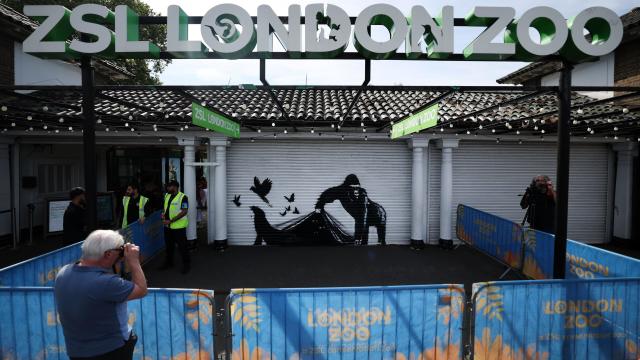
A Banksy artwork on the shutters of London Zoo has been removed for “safekeeping” and to allow the attraction to use its full entrance during the summer period.
The piece, which shows a gorilla lifting the shutter to release a sea lion and birds, has been replaced with a replica.
A sign nearby now reads “Banksy woz ere” and offers an apology to disappointed fans of the street artist.
Read More: https://ca.news.yahoo.com/london-zoo-removes-bansky-safekeeping-160602916.html
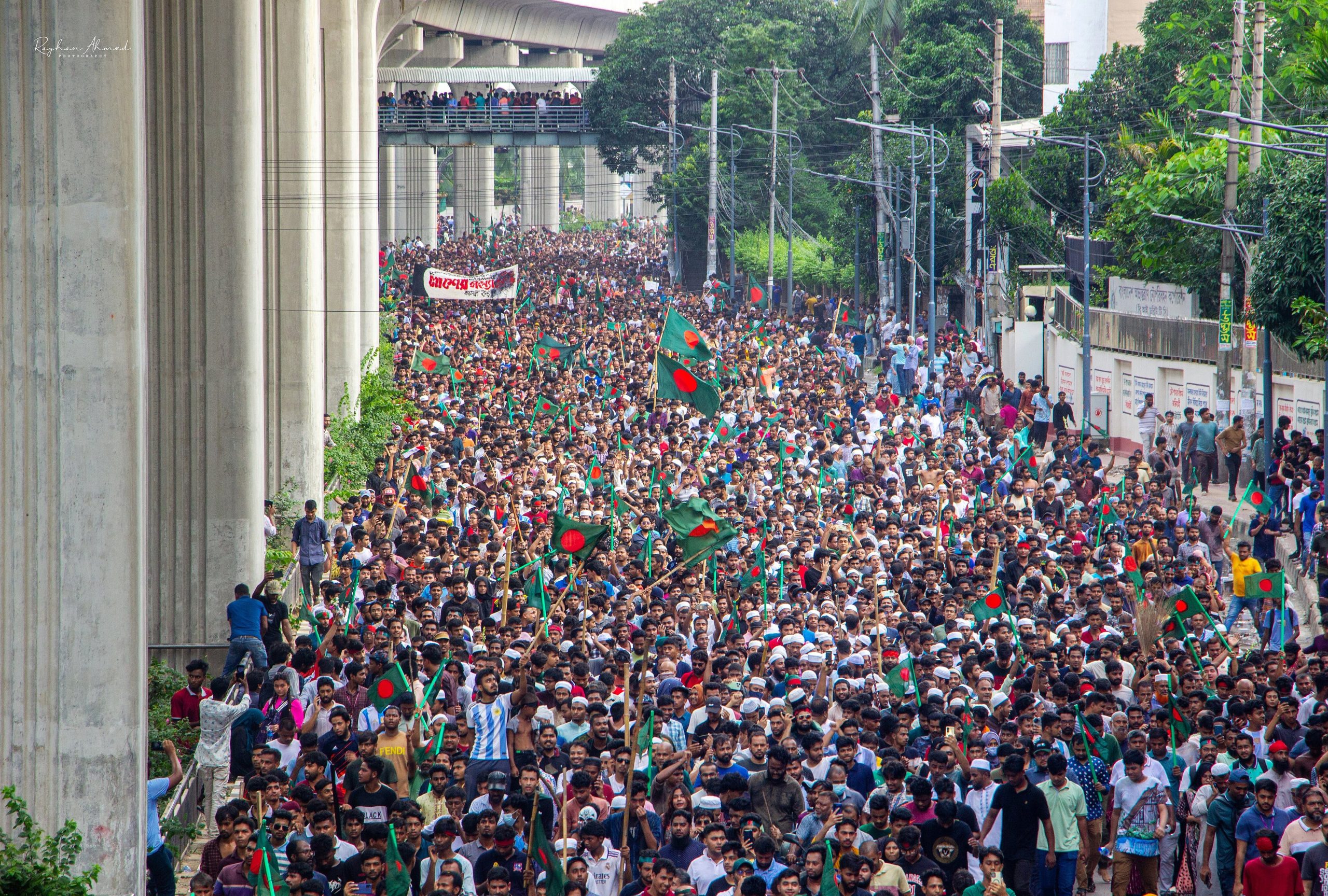
On August 5, the prime minister of Bangladesh, Sheikh Hasina, fled the country, ending her 15-year rule, and the army named a caretaker government to be led by economist and Nobel Peace Prize laureate Muhammad Yunus. Over the past several weeks, Bangladeshi students have been met with a deadly government crackdown on rallies against the civil service job quota system. Faced with nationwide curfews and media blackouts, artists stepped up to document the political upheaval and further organize protests, with various cultural institutes voicing their support for the demonstrations.
The protests began in early July after a High Court reinstated a 30 percent quota earmarked for descendants of freedom fighters who were involved in the nation’s 1971 liberation war against Pakistan. (Amid rampant unemployment, the system has long been criticized for favoring supporters of Hasina’s party, the Awami League, to the exclusion of other qualified candidates.) As a result of the government’s violent response to the initially peaceful movement, several student leaders were detained while 300 people were killed, including nearly 100 during the first weekend of August.


