
Digital Artist
Experimental play explores boundaries of virtual world

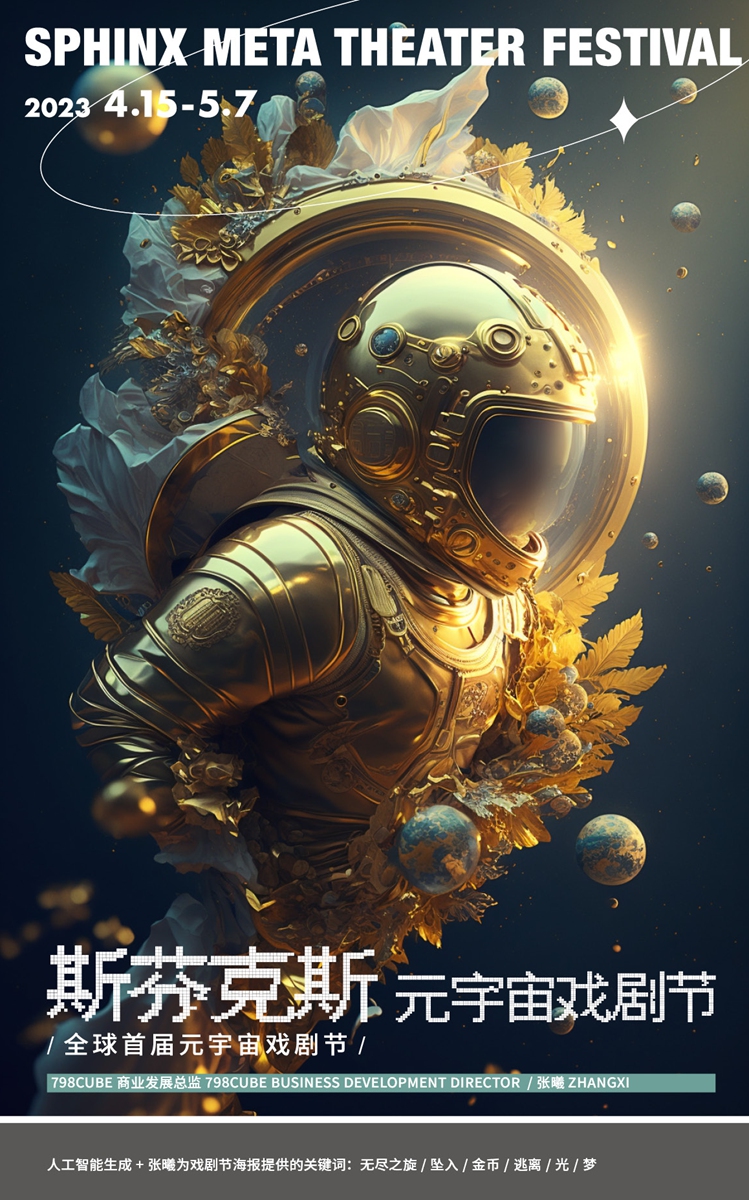
“Every revolution in technology brings a renaissance in art,” well-known Chinese theater director Meng Jinghui told the Global Times in an interview. His most recent efforts seek to bring a unique theater play to people everywhere through the power of the internet.
Integrating modern technology into stage theater, Meng’s international theater festival exploring the notion of the Metaverse will be held from April 15 until May 7 with the participation of hundreds of artists from all over the nation.
Read more: https://www.globaltimes.cn/page/202304/1288498.shtml


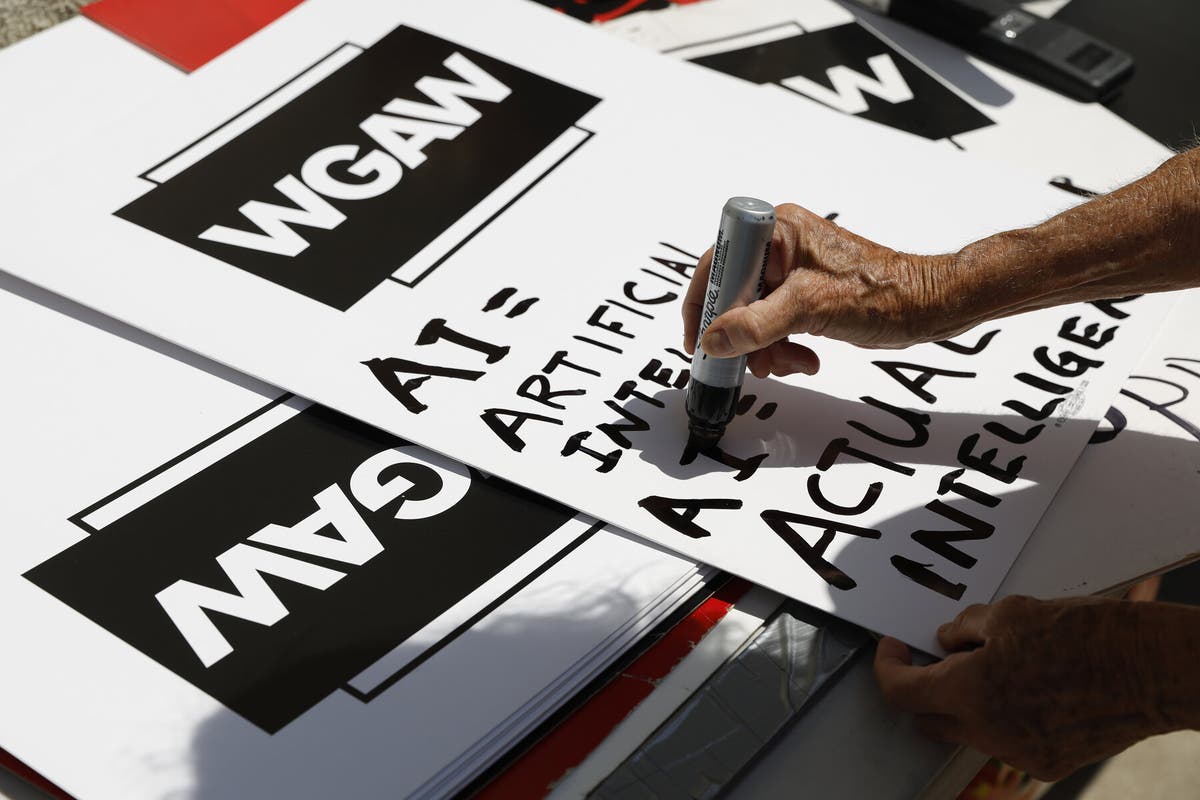
I’ve got 99 problems with A.I., but intellectual property ain’t one.
Media and entertainment industries have lately been consumed with questions about how content generated by artificial intelligence systems should be considered under intellectual property law. Last week, a federal judge ruled against an attempt to copyright art produced by a machine. In July, another federal judge suggested in a hearing that he would most likely dismiss a copyright infringement lawsuit brought by artists against several artificial intelligence art generators. How A.I. might alter the economics of the movie and TV business has become one of the primary issues in the strike by writers and actors in Hollywood. And major news companies — including The Times — are weighing steps to guard the intellectual property that flows from their journalism.
Read more: https://www.nytimes.com/2023/08/25/opinion/ai-art-intellectual-property.html
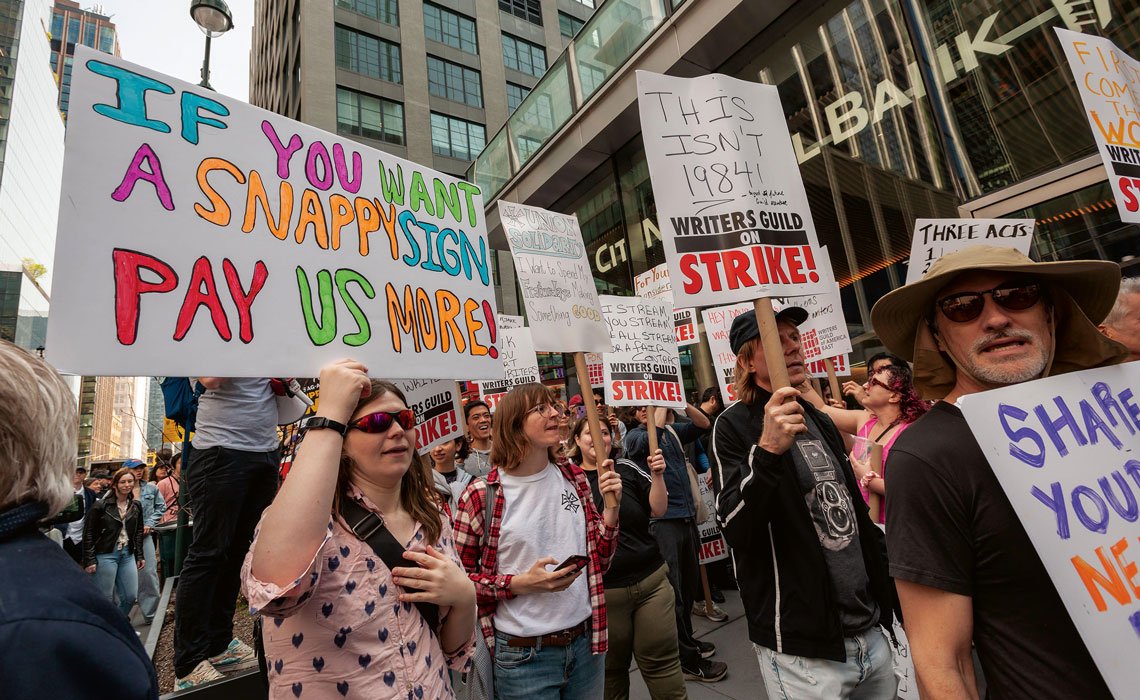
The Hollywood writers’ strike has put a spotlight on the impact artificial intelligence may have on artistic endeavour
The Writers Guild of America strike, which began in May and may well continue into next year, was originally a response to economic hardship. Specifically, to the cascading inequities of the US television industry, which, despite offering ever more plentiful outlets for screenwriters (599 English-language scripted shows aired in 2022, according to FX Research, up 7 per cent from 2021), has managed to turn what had been a comfortable middle-class profession into a red-in-tooth-and-claw manifestation of the modern gig economy – a frantic, patchwork hustle of shorter contracts, fewer positions and reduced wages, with even established writers scrambling to earn enough each year to qualify for healthcare.
About a month before the strike began, however, the discussion abruptly pivoted. Yes, all those things were important, but there was also another, even more significant issue to address. The growing sophistication of artificial intelligence modules had taken many by surprise – including those responsible for inventing them. (“I thought [machine intelligence] would happen eventually, but we had plenty of time: 30 to 50 years,” said Geoffrey Hinton, the British scientist whose work developing neural networks paved the way for platforms such as ChatGPT. “I don’t think that anymore.”) Suddenly social media was awash with examples of AI-generated storytelling, some of it even accompanied by rudimentary visuals.
A49-year-old female notices new-onset vaginal bleeding over the past several days. She becomes concerned and seeks advice from her long-time family physician. When she calls, she is surprised to hear responses from an artificial intelligence (AI) platform. The longtime secretary, who knew her well and would quickly arrange appointments or connect her with the doctor, has been replaced by this expensive new AI-based system. The call begins with an extensive library of prompts. When she presses 0 to speak with a human, she is told the next available appointment is in nine weeks. She hangs up and redials to discuss her problem with a pleasant computer voice, which almost sounds like a real person and asks her to describe her problem—eventually responding with a long-winded response with possible explanations for her bleeding. It then utilizes a proprietary algorithm to make recommendations which include lifestyle changes and watchful waiting, with instructions to dial back if the problem persists.
Read more: https://time.com/6306922/artificial-intelligence-medicine-doctors/


