
Artificial Intelligence
Workers’ singularity:AI and the future of art and labour

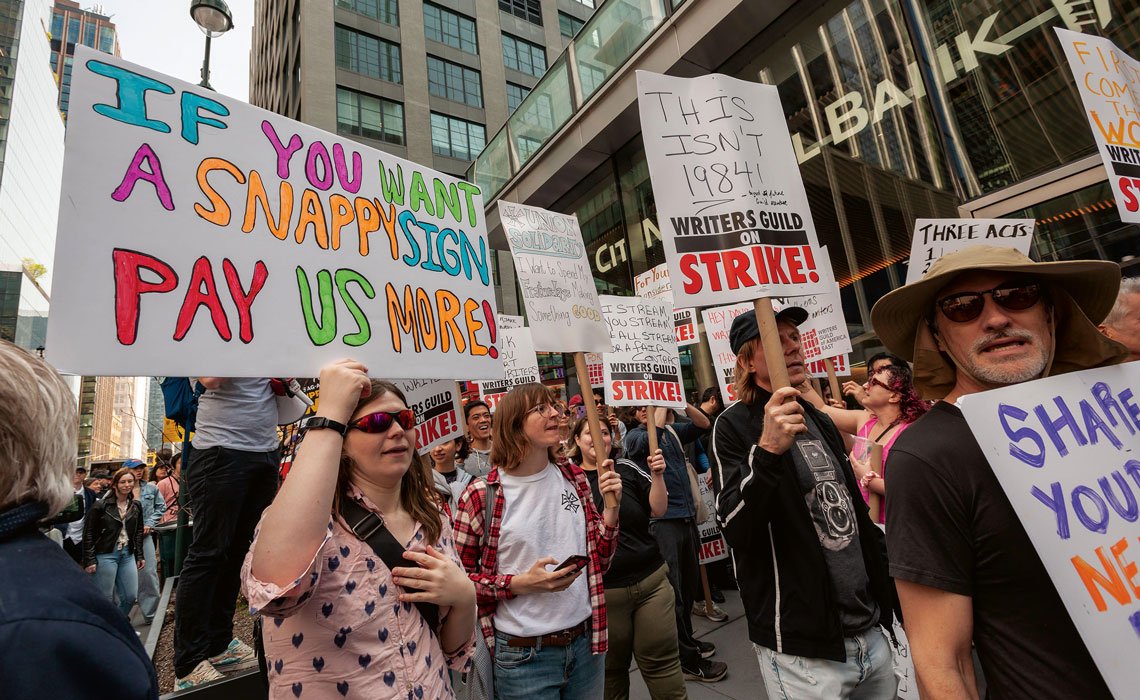
The Hollywood writers’ strike has put a spotlight on the impact artificial intelligence may have on artistic endeavour
The Writers Guild of America strike, which began in May and may well continue into next year, was originally a response to economic hardship. Specifically, to the cascading inequities of the US television industry, which, despite offering ever more plentiful outlets for screenwriters (599 English-language scripted shows aired in 2022, according to FX Research, up 7 per cent from 2021), has managed to turn what had been a comfortable middle-class profession into a red-in-tooth-and-claw manifestation of the modern gig economy – a frantic, patchwork hustle of shorter contracts, fewer positions and reduced wages, with even established writers scrambling to earn enough each year to qualify for healthcare.
About a month before the strike began, however, the discussion abruptly pivoted. Yes, all those things were important, but there was also another, even more significant issue to address. The growing sophistication of artificial intelligence modules had taken many by surprise – including those responsible for inventing them. (“I thought [machine intelligence] would happen eventually, but we had plenty of time: 30 to 50 years,” said Geoffrey Hinton, the British scientist whose work developing neural networks paved the way for platforms such as ChatGPT. “I don’t think that anymore.”) Suddenly social media was awash with examples of AI-generated storytelling, some of it even accompanied by rudimentary visuals.







The creative industries are fighting back against UK government proposals to let artificial intelligence companies use copyright-protected work without permission.
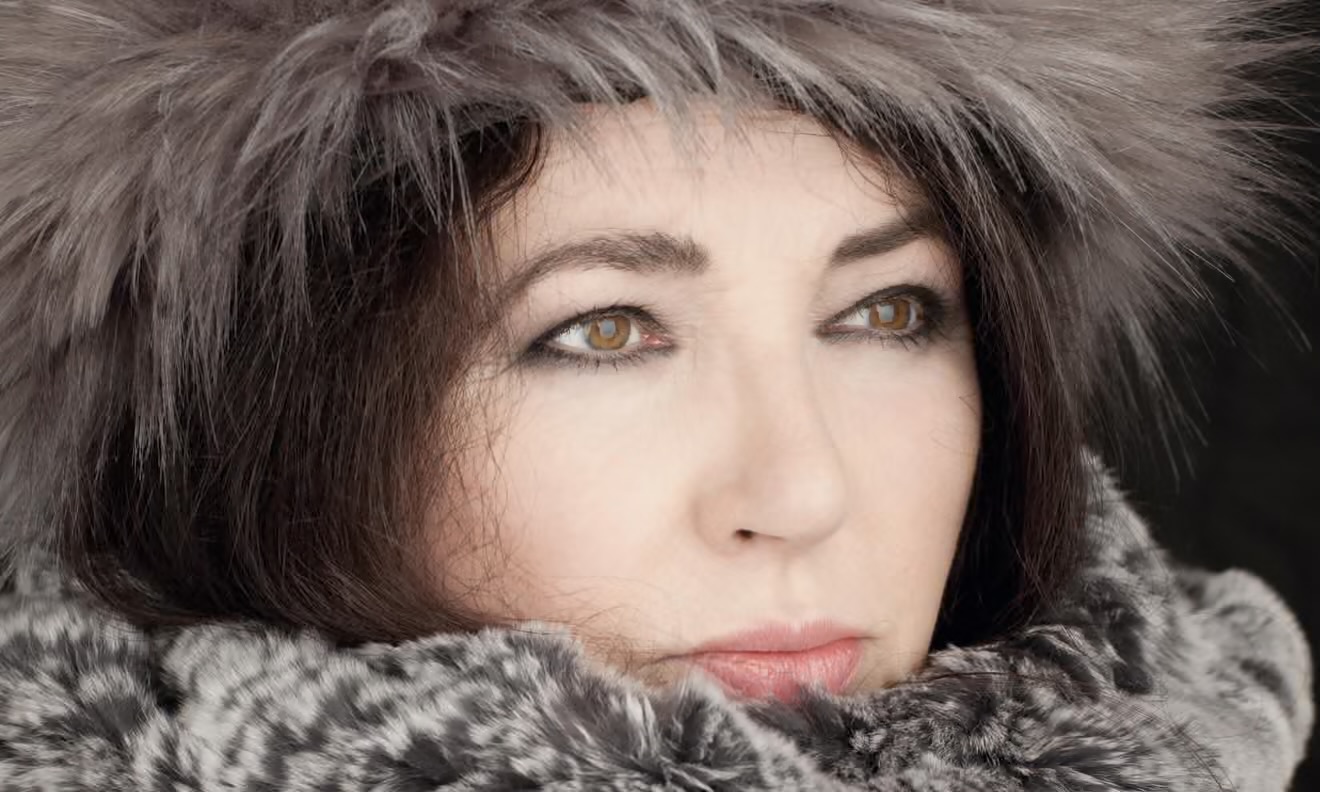
The latest protest is a silent album co-written by more than 1,000 musicians, including Kate Bush, and follows a statement signed by 48,000 creatives including Abba’s Björn Ulvaeus in which they warned of a “major, unjust threat” to artists’ livelihoods.
Artificial Intelligence
Kate Bush, New Order, & Damon Albarn Among 1,000 UK Artists Protesting Government’s AI Stance With A Silent Album
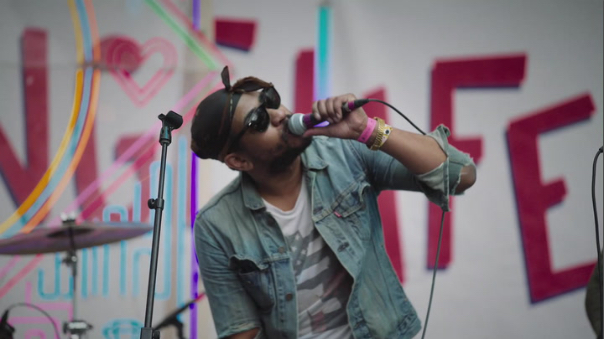
Last week, the UK government proposed a new policy that would allow tech companies to use copyrighted works to train their artificial intelligence algorithms. Under the proposal, artists and companies could opt out of having their material used for AI, but it would otherwise give the companies unfettered access to people’s creative work without having to license anything. The proposal has incited widespread anger in the UK’s arts communities, and now a team of 1,000 British musicians has released a silent protest album called Is This What We Want?
Writers, publishers, musicians, photographers, movie producers and newspapers have rejected the Labour government’s plan to create a copyright exemption to help artificial intelligence companies train their algorithms.
In a joint statement, bodies representing thousands of creatives dismissed the proposal made by ministers on Tuesday that would allow companies such as Open AI, Google and Meta to train their AI systems on published works unless their owners actively opt out.


