
Future Art
Time As a Medium: A Conversation with Amay Kataria about Past and Future Art

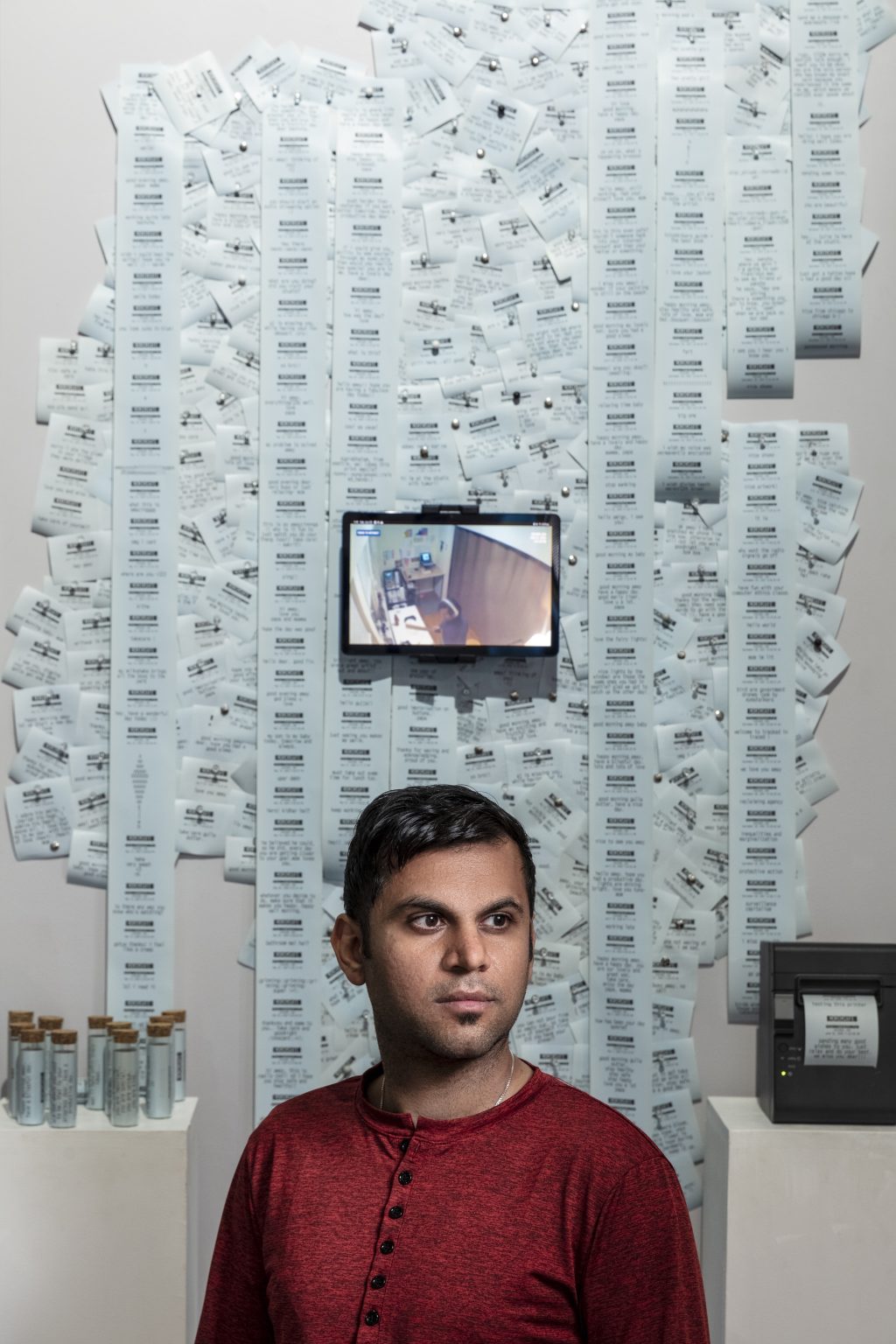
“What Is Seen and Unseen: Mapping South Asian American Art in Chicago,” the unprecedented and profound survey at the South Asia Institute, comprises two exhibitions: “Shadows Dance Within the Archives,” an archival exhibition exploring over 125 years of South Asian art and cultural history in Chicago, and “Are Shadow Bodies Electric?,” a thematic exhibition featuring the work of eight contemporary artists. Curated by Shelly Bahl, the shows serve as the first to bring to light the underdocumented and subsequently underrepresented impact that South Asian art and artists have had—and continue to have—on Chicago’s rich cultural landscape.


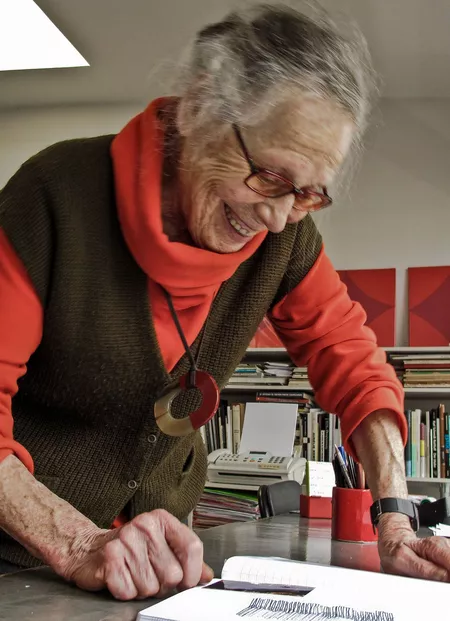
“One of my dreams,” the artist Vera Molnar said in the early ’80s, “is to create a robot named Vera Molnar.” She imagined this robot would work every night and do exactly what she wanted. It would know everything she had ever created and, based on what she’d already produced, make a list of everything she hadn’t yet done.
Molnar never created this robot, though she did become known as the queen of computer-generated art. The current exhibition “Parler à l’oeil” (“Speak to the eye”) at the Centre Pompidou in Paris, on view through August 26th, shows how quickly she understood the artmaking possibilities new technologies offered at a time when few people did.
Established in 2022, ART FUTURES – Outstanding Graduates Awards in Asia is the first international art award of its kind in Asia dedicated to championing the creative practices of outstanding recent graduates in the field of visual arts and associated contemporary art practices.
The award aims to recognize and support emerging artists across Asia, providing them with a platform to showcase their talent and gain international recognition. The event is co-organized and co-presented by the Academy of Visual Arts and the School of Creative Arts at Hong Kong Baptist University, along with art-at-all and IAE.
Read more: https://www.adobomagazine.com/advertising-awards/art-futures-2023-awards-exhibition-discussion/
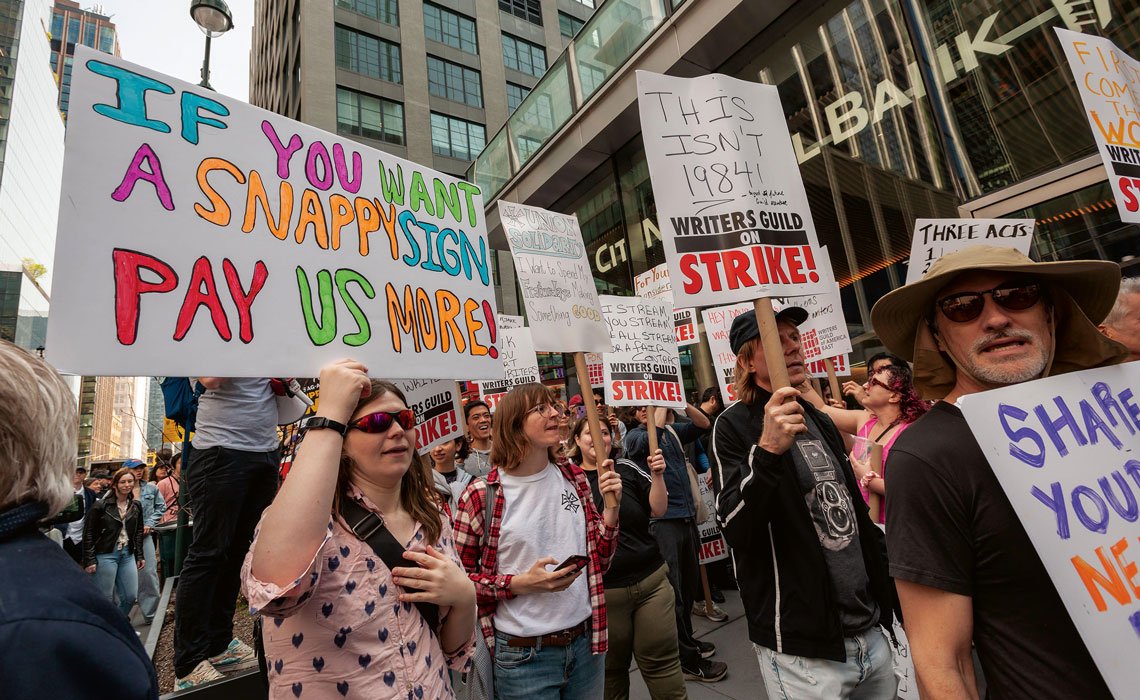
The Hollywood writers’ strike has put a spotlight on the impact artificial intelligence may have on artistic endeavour
The Writers Guild of America strike, which began in May and may well continue into next year, was originally a response to economic hardship. Specifically, to the cascading inequities of the US television industry, which, despite offering ever more plentiful outlets for screenwriters (599 English-language scripted shows aired in 2022, according to FX Research, up 7 per cent from 2021), has managed to turn what had been a comfortable middle-class profession into a red-in-tooth-and-claw manifestation of the modern gig economy – a frantic, patchwork hustle of shorter contracts, fewer positions and reduced wages, with even established writers scrambling to earn enough each year to qualify for healthcare.
About a month before the strike began, however, the discussion abruptly pivoted. Yes, all those things were important, but there was also another, even more significant issue to address. The growing sophistication of artificial intelligence modules had taken many by surprise – including those responsible for inventing them. (“I thought [machine intelligence] would happen eventually, but we had plenty of time: 30 to 50 years,” said Geoffrey Hinton, the British scientist whose work developing neural networks paved the way for platforms such as ChatGPT. “I don’t think that anymore.”) Suddenly social media was awash with examples of AI-generated storytelling, some of it even accompanied by rudimentary visuals.


