Modern Art
Exhibition review: Fairy Tales, Gallery of Modern Art


This exhibition has a congested quality, one I would ordinary critique as a negative gallery experience. However, in the exhibition Fairy Tales – which has just opened at Brisbane’s Gallery of Modern Art (GOMA) – that congestion is in keeping with, and almost a metaphor for, the foreboding that is the very essence of fairy tales.
We all grew up with them and, despite a world that has changed drastically since the Brothers Grimm were first penning their dark life lessons via bewitching tales, fairy tales have remained persistent. Indeed, this exhibition demonstrates that they are as popular as ever.
At the exhibition’s opening, the two lower galleries at GOMA were buzzing with visitors of all ages, leaning in to read labels, sitting watching snippets of films or salivating over iconic objects, such as Cinderella’s glass slipper (2015), made from Swarovski crystal and on loan from The Walt Disney Company.
Read more: https://www.artshub.com.au/news/reviews/exhibition-review-fairy-tales-gallery-of-modern-art-2686478/


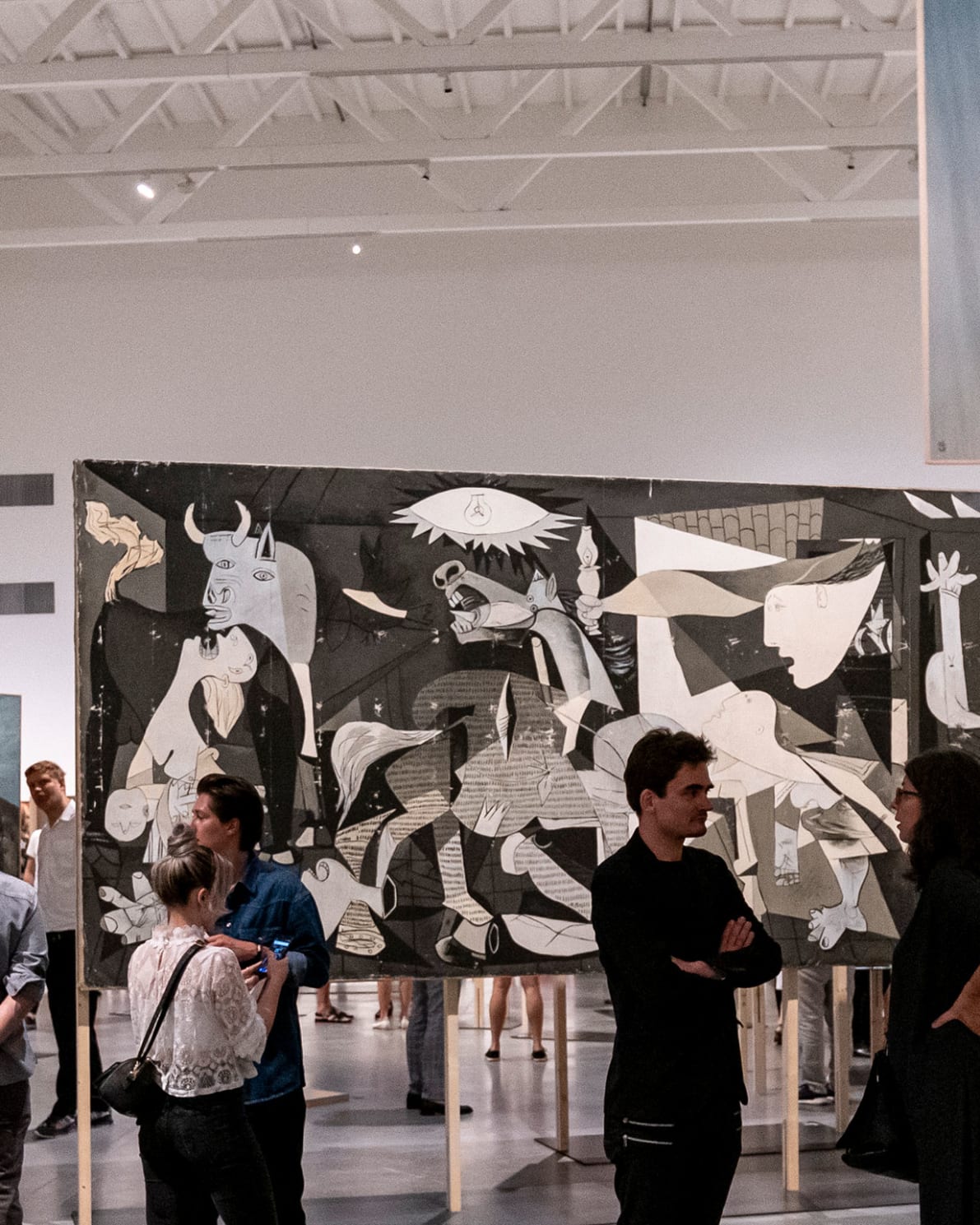
Exhibition-making could be seen as a mathematical equation, with the artists, curators, and institutions on one side of the equal sign, and the exhibition as the solution. But one variable is often ignored. ‘Exhibition design is not particularly ‘seen’ in the artworld,’ explains Berlin-based architect Johanna Meyer-Grohbrügge.
For almost ten years, Meyer-Grohbrügge has been designing exhibitions for institutions including the Bauhaus Museum in Dessau and the Museum of Modern Art in Warsaw, as well as events such as the Berlin Biennale 2020. She has also created spaces for galleries and foundations, including the Julia Stoschek Foundation in Berlin. She sees herself as an equal partner in a ‘conglomerate of curators, artists, and museums,’ but, she tells me, ‘I’m not mentioned in many articles about [the] exhibitions [I design].’ Detlef Weitz has had similar experiences. The exhibition designer, who, with Sonja Beeck, runs Chezweitz, an office for museal and urban scenography in Berlin, says: ‘We do feel very valued by the museums we work with, but most art writers barely know our profession exists.’
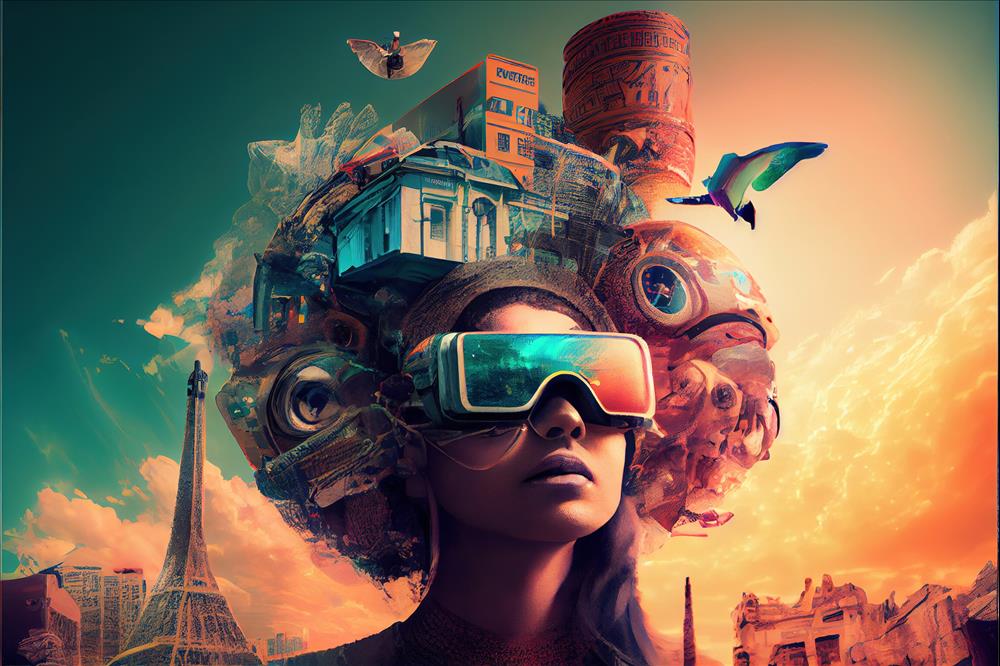
The intersection of technology and art has always sparked transformation and innovation. In recent years, the rise of artificial intelligence (AI) has revolutionized the way artists create and engage with their work. This article explores the profound impact of AI on modern art in the USA, highlighting key themes, challenges, and the fascinating relationship between creativity and technology.
Understanding AI ArtAI art refers to artwork that is generated by algorithms and machine learning systems. These technologies can analyze vast datasets, recognize patterns, and produce original pieces that can mimic human creativity. Within the realm of modern art in the USA, AI art is disrupting traditional notions of authorship, creativity, and the role of the artist.
Read more: https://menafn.com/1108603667/The-Impact-Of-AI-On-Modern-Art-In-The-USA
Modern Art
Museum of Modern Art in New York exhibits work of left-wing German artist: Käthe Kollwitz
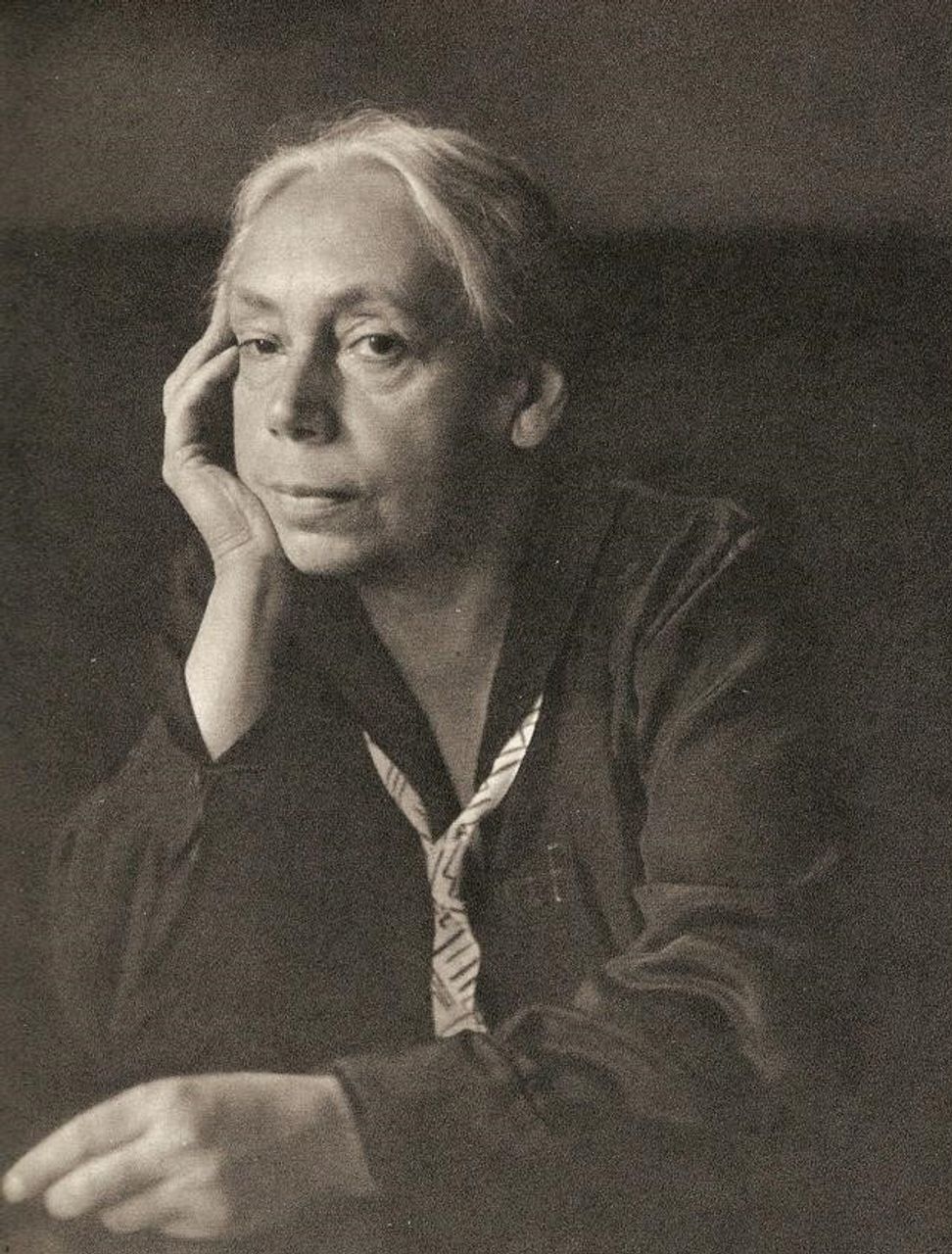
Käthe Kollwitz, Museum of Modern Art, New York, March 31-July 20, 2024
“If my works continue to make such an impression—even after decades—then I will have achieved a great deal.”
The prints of Käthe Kollwitz (1867-1945)—intaglio etchings, lithographs and woodblocks—have been widely displayed in a variety of contexts over the century since their creation. However, the Museum of Modern Art’s recent exhibition, Käthe Kollwitz, which ended July 20, was the first museum retrospective in New York exclusively dedicated to her entire body of work.
It included her three main suites of prints—A Weavers’ Revolt (created between 1893 and 1897), Peasants War (1902-1908), and War (1921-22); Woman with Dead Child (1903) together with several proofs; her monumental woodblock In Memoriam Karl Liebknecht (1919) of the murdered leader of the failed German Revolution; and many riveting self-portraits she made over the course of her life. The show also included preparatory drawings and revised proofs offering insight into her creative process, as well as sculptures, posters and more.
Read more: https://www.wsws.org/en/articles/2024/07/22/ctsc-j22.html


