
Greece
How did the Indian langur end up in a prehistoric mural in Greece?

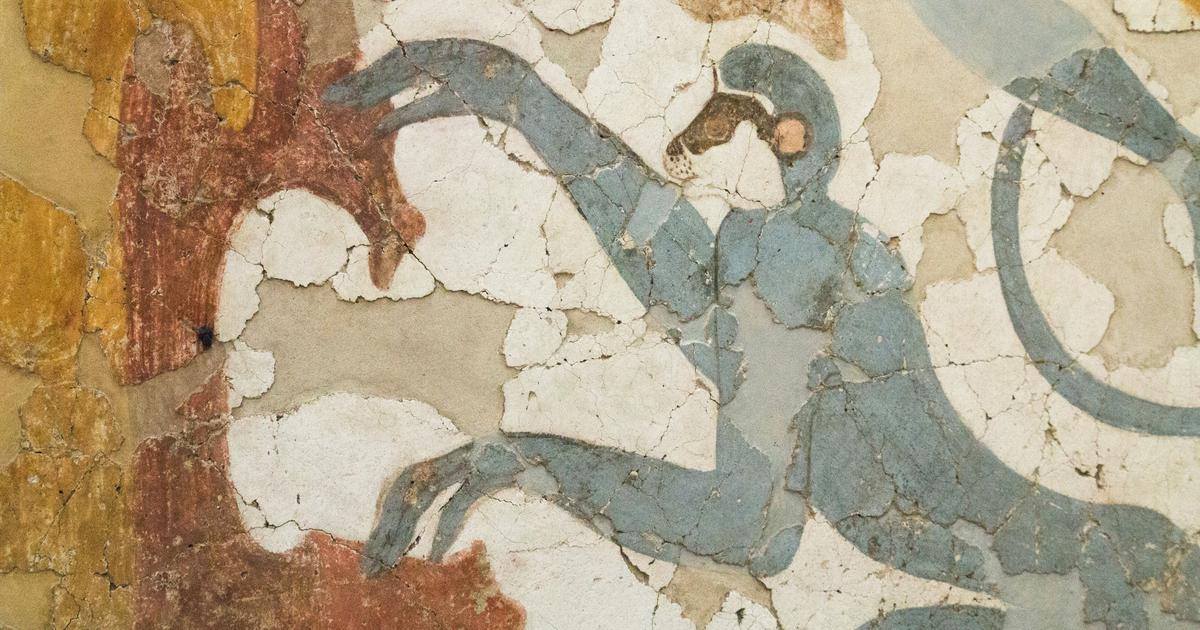
Legend has it that in ancient Anatolia, there were two monkey-like creatures called Cercopes who beleaguered the populace. One myth has the god Zeus turning the bandit brothers into apes, another involves the hero Herakles carrying them strung upside down from a pole.
The name Cercopes is derived from the Greek word for tail (kerkos) and means tailed men, a fact highlighted by the Scottish folklorist James George Frazer. The Herakles story, Frazer reports, was interpreted by a classicist as alluding to “Phoenicians bringing apes to the Greek markets”. The Cercopes also lend their name to monkeys of the family Cercopithecidae, whose tails in the last few years have become protagonists in a narrative at the intersection of the histories of art, international relations and zoology in the Bronze Age, which unfolds along the route from the Indus River to the Aegean Sea.
Read more: https://scroll.in/magazine/1049959/how-did-the-indian-langur-end-up-in-a-prehistoric-mural-in-greece


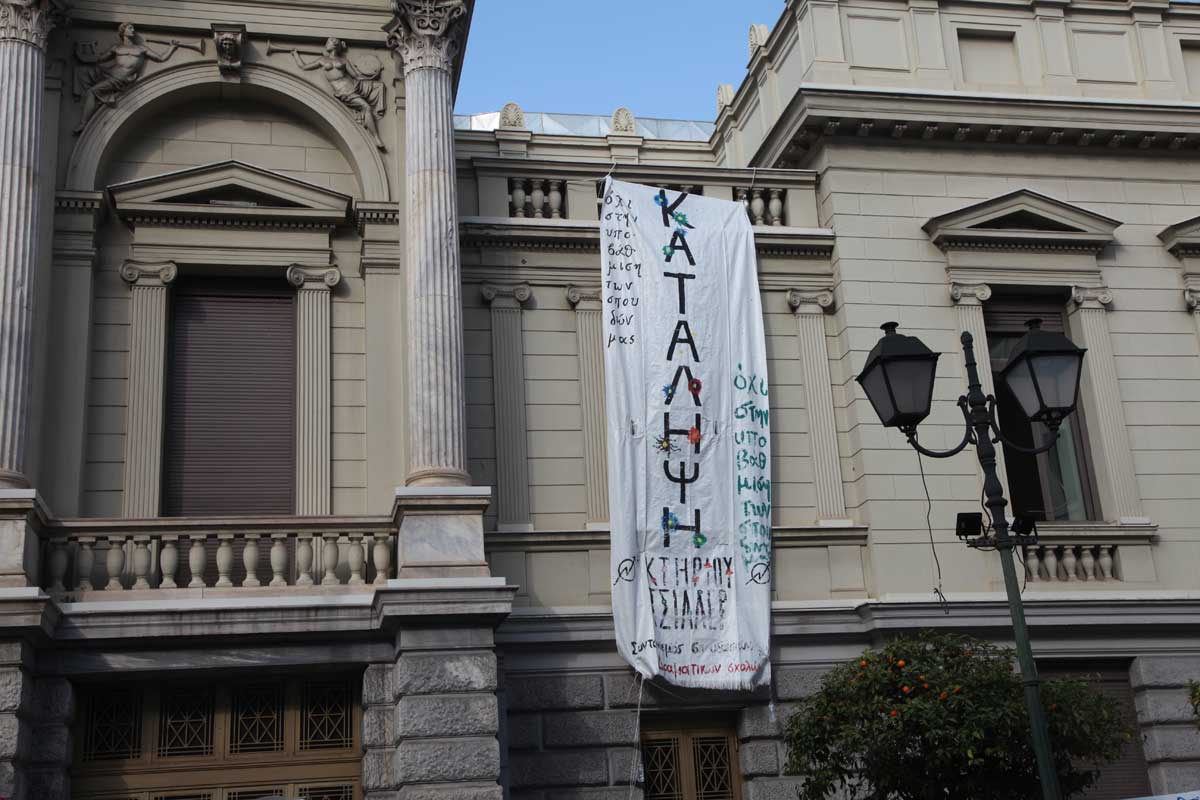
A passerby walking outside the Ziller building, the main stage of the National Theatre of Greece, would notice a giant banner writing “Squat.” The banner is not an eccentric poster of some play but aims to inform the public that the building has been under the occupation of drama students since February 4th.
Ziller has been transformed from the “heart” of the national theater into the “heart” of the art students’ occupation movement that has swarmed Greece since January, when drama and art students all over Greece began occupying their schools and theaters. At the moment, at least 17 buildings are under occupation.


